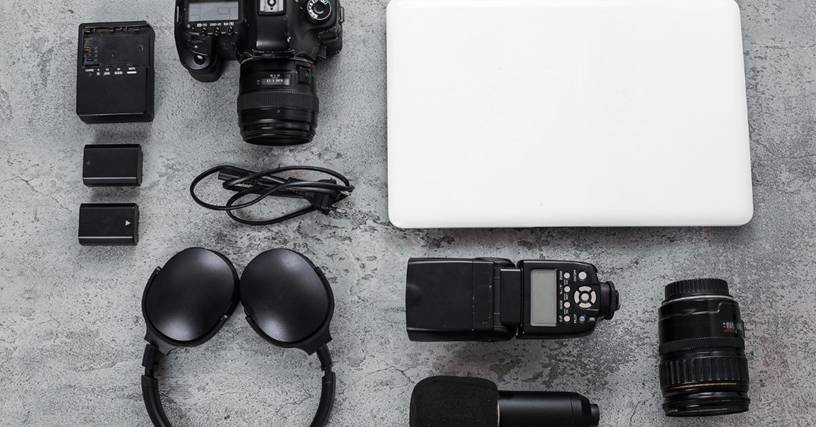
30 seconds summary
- When exploring South Korea’s vibrant cities, it’s essential to pack versatile gear. Key items include comfortable, stylish clothing like custom aloha shirts, a work laptop backpack for tech organization, and durable shoes for city walking and potential hikes.
- Make sure to carry a power bank, portable charger, and a rain jacket for unexpected weather.
- For safety and convenience, bring a daypack for short outings, a travel adapter for electronics, and a neck wallet for valuables. By choosing adaptable gear, you’ll stay comfortable, stylish, and prepared for the diverse experiences South Korea offers.
Exploring new cities is always an exciting adventure, especially in a destination as richly layered as Seoul, Busan, and wider South Korea. From ultramodern skyscrapers and underground shopping malls to tranquil temple courtyards and scenic mountain trails, South Korea offers a vivid blend of fast‑paced urban life and serene natural escapes. That variety means your gear needs to be adaptable, seamlessly moving you from subway rides to café stops, from temple visits to hiking paths, from rainy days to chilly nights. Below is a detailed guide to the essential gear for exploring new cities in South Korea, including some less-talked-about items like custom aloha shirts (yes, you read that correctly) and a sturdy work laptop backpack, which may sound business‑oriented, but turns out to be super helpful for travel in Korea too.
1. Versatile Clothing & Style Considerations
The first gear category is what you wear. In South Korea’s cities you’re likely to walk a lot, encounter varying weather, and want to look not just comfortable but also presentable (Korean style tends toward neat, well‑fitting clothes rather than overly casual outdoorsy gear). So think layers, adaptable pieces, and minimum fuss.
Layering for Four Seasons
South Korea has four distinct seasons. In spring and autumn, you’ll often face cool mornings and warmer afternoons; layering is key. In summer, the humidity can be high; in winter cold and wind bite hard.
Thu,s you’ll want:
- A light jacket or windbreaker.
- A mid‑layer (sweater or fleece) for chilly mornings/evenings.
- Breathable shirts or tops for daytime.
- A heavier coat if you’re going in winter.
- Quick‑dry trousers or comfortable jeans for city walking + smarter evening dinners.
Style Tip: Add Something Fun
While in major cities tourists may dress casually, locals often favour a neat, put‑together look. A fun twist is to include a custom aloha shirt, that is, a tailored, well‑made shirt with cheerful print (or a design you’ve chosen), that you can wear during a relaxing day of exploring, perhaps on a café hop in Hongdae or a stroll in Busan’s Haeundae beach area. Because it’s custom, you can pick fabrics that are comfortable (linen/cotton blend), colours that suit you, and prints that reflect your travel mood. It gives you a travel‑style edge without shouting “tourist”.
- One day wear: custom aloha shirt + smart chinos + comfortable sneakers.
- Another day wear: layer a tee + cardigan + jacket as you shift from museum visits to dinner in Itaewon.
Footwear Matters
Walking in the cities, using public transit, maybe hiking a little, you’ll need comfortable shoes. Sneakers with good support, perhaps one pair more city‑smart for evenings, are essential. Many packing guides emphasise this.
Also, if you plan on hillside walks or temple steps (for example, on Seoul Trail) you might want a pair of lightweight hiking shoes or robust walking shoes.
Smart‑Casual for Dinner & Culture
When exploring South Korea’s cities, you might shift from casual daytime to a nicer dinner out. Having one smarter outfit works well, maybe dressier trousers, a button‑down shirt, and a light blazer. That way you’re covered if you explore a fine dining restaurant or go to a bar in Gangnam.
2. Bags and Carrying Gear
Your bag(s) choice can make or break your urban exploration experience. You’ll need something that’s comfortable, secure, and versatile enough for transit, walking, shopping, and tech.
Work Laptop Backpack
Even if you’re not “working”, a well‑organised work laptop backpack turns out to be a perfect travel companion in South Korea’s city context. Why? Because you might carry a tablet, phone, power bank, travel adapter, maybe a change of shirt (say your custom aloha shirt for the evening), water bottle, snacks, and umbrella. A backpack designed for laptop‑carrying usually has padded compartments, organizer pockets, and comfortable straps, ideal for day‑long exploring.
Many travel guides for Korea emphasise the advantage of a functional backpack for daily city use.
So pick a backpack that:
- Has a padded laptop/tablet section (even if you don’t travel with a laptop this time).
- Comfortable straps and back support (since you’ll be walking many steps).
- Safe zippers or anti‑theft features (crowded city areas).
- Enough space for a water bottle, umbrella, and small purchases (K‑beauty haul anyone?).
- Perhaps a rain cover or water‑resistant material (because the weather can surprise you).
Smaller Daypack / Crossbody
In addition to your main backpack, you may want a smaller daypack or crossbody for when you’re just doing a few hours of exploring (visiting a museum, wandering neighbourhoods). This reduces load and is more convenient for short outings.
Packing Cubes & Organisation
As many Korea‑specific travel guides note, keeping your gear organised is a big plus since you might stay in compact city hotel rooms or guesthouses. Packing cubes help.
Use one cube for clothes, one for electronics/cables, one for toiletries.
3. Electronics & Connectivity
South Korea is one of the most connected, tech‑savvy countries in the world. To make the most of your visit, you’ll want to bring the right electronics and ensure you’re able to connect, photograph, and coordinate effortlessly.
Power Adapter & Chargers
Korea uses standard 220 V and plug types C or F (depending). A universal travel adapter is highly recommended. Bring a multiport charger so you can charge phone + power bank, + camera simultaneously.
A portable power bank is essential; you’ll rely heavily on your smartphone for maps, transit apps, translation apps, and photo taking.
Phone / SIM / eSIM & Mobile Data
Having mobile data is crucial: maps, translation, reviews, rideshare apps. Some packing lists mention getting a local SIM or using international roaming/eSIM.
Check beforehand what your home carrier offers, or buy a prepaid SIM at Incheon or a major convenience store.
Camera / Smartphone Gear
You’ll likely want good photos: cityscapes, street food, markets, temples, mountain views. Bring extra SD cards, maybe a small tripod or selfie stick if you like. Many travel writers mention this.
If you carry a work laptop backpack, you may also include a tablet or lightweight laptop for backup/photos/editing.
Earbuds/Headphones
For transit time (train/subway rides) and comfortable noise blocking in city chaos, good headphones are nice. Also handy for downloading podcasts or music for in‑transit downtime.
Optional: VPN
Since you may use public WiFi in cafés or stations, a VPN is a prudent idea for privacy and security. One guide for Korea points this out.
4. Travel Documents, Money & Safety Gear
Exploring new cities means moving through unfamiliar streets, using public transit, doing some shopping, and maybe morning hikes. Being prepared with documents, money management, and safety gear makes things smoother.
Documents & Wallet
- Passport (with at least six months’ validity).
- Travel insurance details (printed + digital).
- Copies of the hotel address in both English and Korean (helpful for taxi rides).
- One debit or credit card that works internationally; note that many stores accept cards, but some smaller vendors/street stalls may prefer cash.
- A compact neck wallet or hidden pouch for valuables is recommended by Korean travel blogs.
Money & Payments
South Korea is increasingly cashless, but small street vendors, markets, and older neighbourhoods may require cash. So carry a small amount of Korean Won for emergencies.
Also, keep your main card in a safe place and have a backup in case your primary card fails.
Safety / Pickpocket Awareness
While Korea is generally safe, crowded tourist spots (markets, subways) warrant some caution with valuables. The “neck wallet” advice comes up.
Also, keep digital copies of documents and emergency contact numbers.
Miscellaneous Essentials
- Travel umbrella or lightweight rain jacket: Seoul and other parts can see unexpected showers. Many guides emphasise this.
- Sunscreen and sunglasses: for daytime exploring, especially if you plan on rooftop vistas.
- Reusable water bottle: great for city walks, and eco‑friendly.
5. Day‑to‑Day Exploration Tools
When actively exploring a city, you want gear that makes the experience smooth and immersive, not awkward or burdensome. Let’s talk about what to bring in your pockets, your daypack, and your backpack.
Comfortable Walking Shoes & Socks
City streets, steps in older neighbourhoods, maybe hiking minor trails: your shoes need to be durable, comfortable, and broken‑in already. Add good socks to prevent blisters.
Map/Navigation Tools
While your smartphone will handle most of this, a small offline map or saved maps is wise because even in Seoul, connectivity may drop in underground shopping areas or subway tunnels.
Load local transit apps (for example, the subway in Seoul) and get comfortable with how to use public transport.
Snacking & Hydration
Walking around all day makes you hungry. Pack a few snack bars, maybe local convenience store treats. A refillable water bottle keeps you refreshed. Street food is abundant in Korea, so you might also need a little flexibility for spontaneous snack breaks.
Power Bank & Charging Cables
Already mentioned, but worth repeating: you’ll use your phone for photos, maps, translation, and chats. Having a power bank that can deliver one full extra charge is essential.
Rain & Weather Preparedness
If you’ve got your light jacket or umbrella, you’ll be ready for sudden rain. Also consider a compact travel towel (Korea hiking guides mention this).
In colder months, keep gloves, hats, and thermal layers handy.
Shopping/Memory Space
South Korea has fantastic shopping – fashion districts like Garosu‑gil in Seoul, traditional handicrafts, tech gadgets, and cosmetics. Allow some space in your backpack or suitcase for purchases. One packing guide even recommends going with a slightly under‑filled bag going there so you have space for the way back.
6. Culture, Local Norms & Specifics for South Korea
Part of essential gear is actually understanding the local context – what is appropriate, what saves you discomfort, what helps you blend in, and what gear might be redundant because you can buy it easily in Korea.
Dress Considerations
Koreans generally favour modesty in certain contexts (especially older generations). Packing guides advise avoiding clothing that is too revealing when visiting temples or more traditional districts.
Having a decent shirt (again, your custom aloha shirt could serve as a smart but relaxed option) is good for evenings or neighbourhoods like Insa‑dong.
Buying Locally vs Bringing From Home
One guide suggests you can buy certain items in Korea (like seasonal clothing) because the fashion industry there moves fast and there are plenty of options.
However, items like a well‑fitting work laptop backpack, or your specific preference in shoes, or a custom shirt may be better brought from home because you know the size and comfort.
Public Transit & Walking
Cities like Seoul are extremely walkable and have world‑class transit. But that means your gear should suit walking and trains/subways. Heavy, bulky bags become a burden when you’re transferring lines, carrying up stairs, or navigating crowded rail stations. Many packing lists emphasise streamlined gear.
8. Why These “Non‑Traditional” Items Matter
Custom Aloha Shirt
It may seem odd to mention a “custom aloha shirt” in the context of South Korea, but here’s why it’s smart:
- It gives you style versatility: you can wear it casually by day or slightly dressy by night.
- By being custom, you control the fit, fabric, and print: pick something breathable for Korea’s humid seasons; choose print or solid colour that works in urban settings; tailor it to your body so you feel confident.
- It acts as a travel memory piece; you’ll remember wearing it in cafés in Gangnam, on the beach in Busan, and strolling through Insa‑dong.
- It also shows respect for the local scene: you’re not wearing an oversized tourist tee or graphic tee with clichéd imagery; you’re wearing something fashion-conscious but personal.
Work Laptop Backpack
Again, it may sound like you’re doing business instead of holiday, but it’s perfect travel gear:
- Padded compartments protect your electronics (tablet, camera, phone).
- Good organisers keep cables, chargers, and small items neat.
- Comfortable straps reduce fatigue on long walks or transit changes.
- Enough size for day‑to‑day city carry plus purchases, yet not so huge you feel like you’re hauling luggage.
- Water‑resistant or durable fabrics help with unexpected rain or subway spills.
Conlusion
Exploring new cities in South Korea is a richly rewarding experience: from the neon bustle of Seoul’s streets to the serene temple courtyards, from hillside trails to seaside promenades. The gear you bring really matters: choose items that work for multiple contexts, keep things organised, and allow you to move with ease and confidence.
By packing thoughtfully, including items like a custom aloha shirt (which gives you a style edge) and a work laptop backpack (which gives you practicality), you’ll be well‑equipped for the variety of experiences South Korea offers. Whether you’re wandering the alleys of Insa‑dong, enjoying a night view from Namsan, or shopping in Busan’s vibrant markets, you’ll have the right gear to make it easy, enjoyable, and memorable.

T Money sounds like southern rapper.
None of this is essential. All you need is an iphone or samsung. Done!
Lol, fair point! And a charger I would add! And a T money card…. and some appropriate city apps!