Dodging the Faux Pas: Navigating Cultural Missteps in South Korea
Think you’ve got Korean etiquette down? Think again. One tiny slip can turn your amazing South Korea travel tips into a cringe-worthy moment faster than you can say “annyeong.” Avoiding cultural missteps in Korea isn’t just about playing it safe—it’s about unlocking the real joy of living and exploring here without those awkward “oops” moments. Ready to dodge the faux pas and blend in like a pro? Let’s get you set up with the expat guide Korea wishes everyone had. For more cringe-worthy travel mistakes to avoid, check out this guide.
Mastering Korean Dining Etiquette
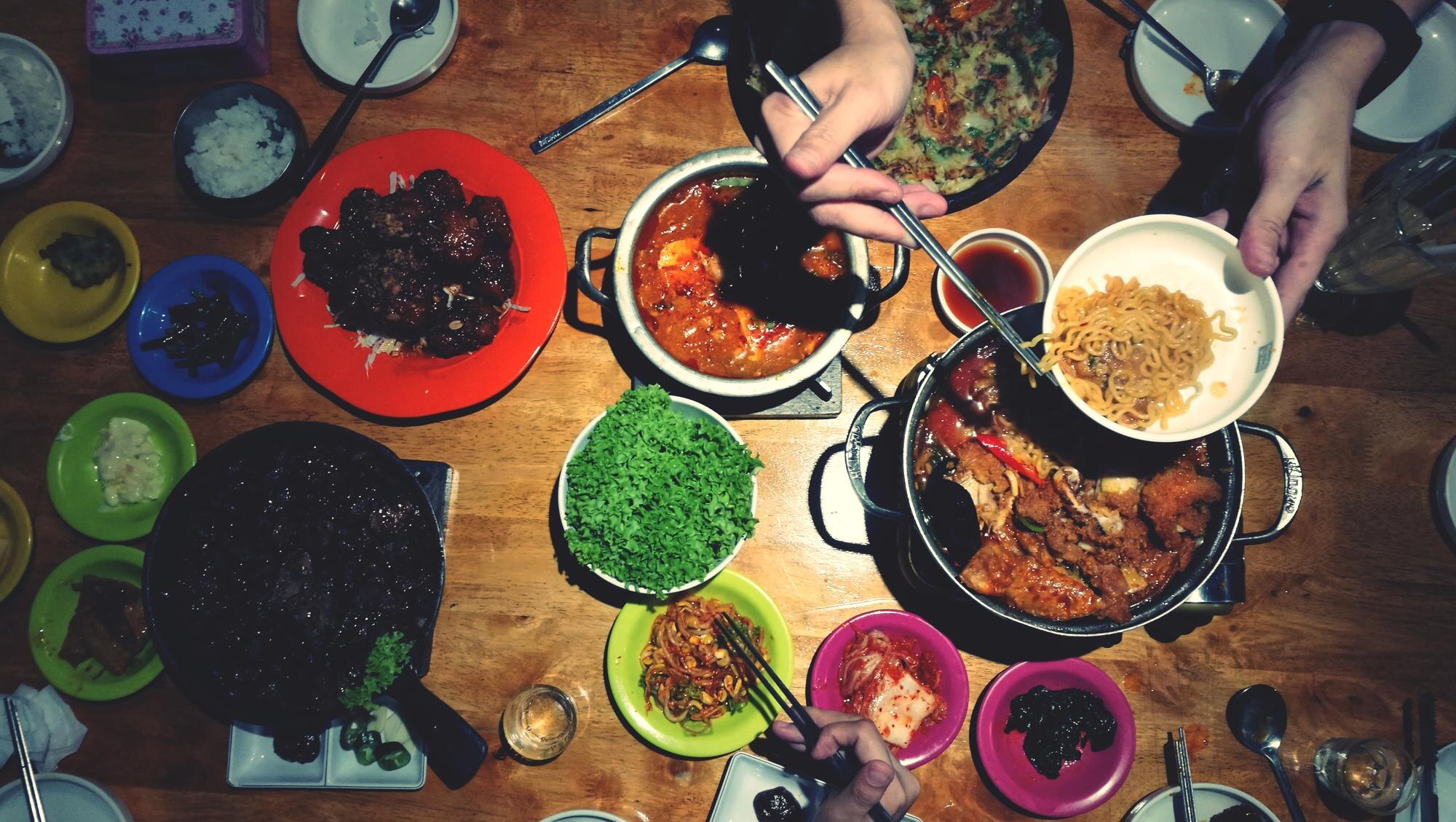
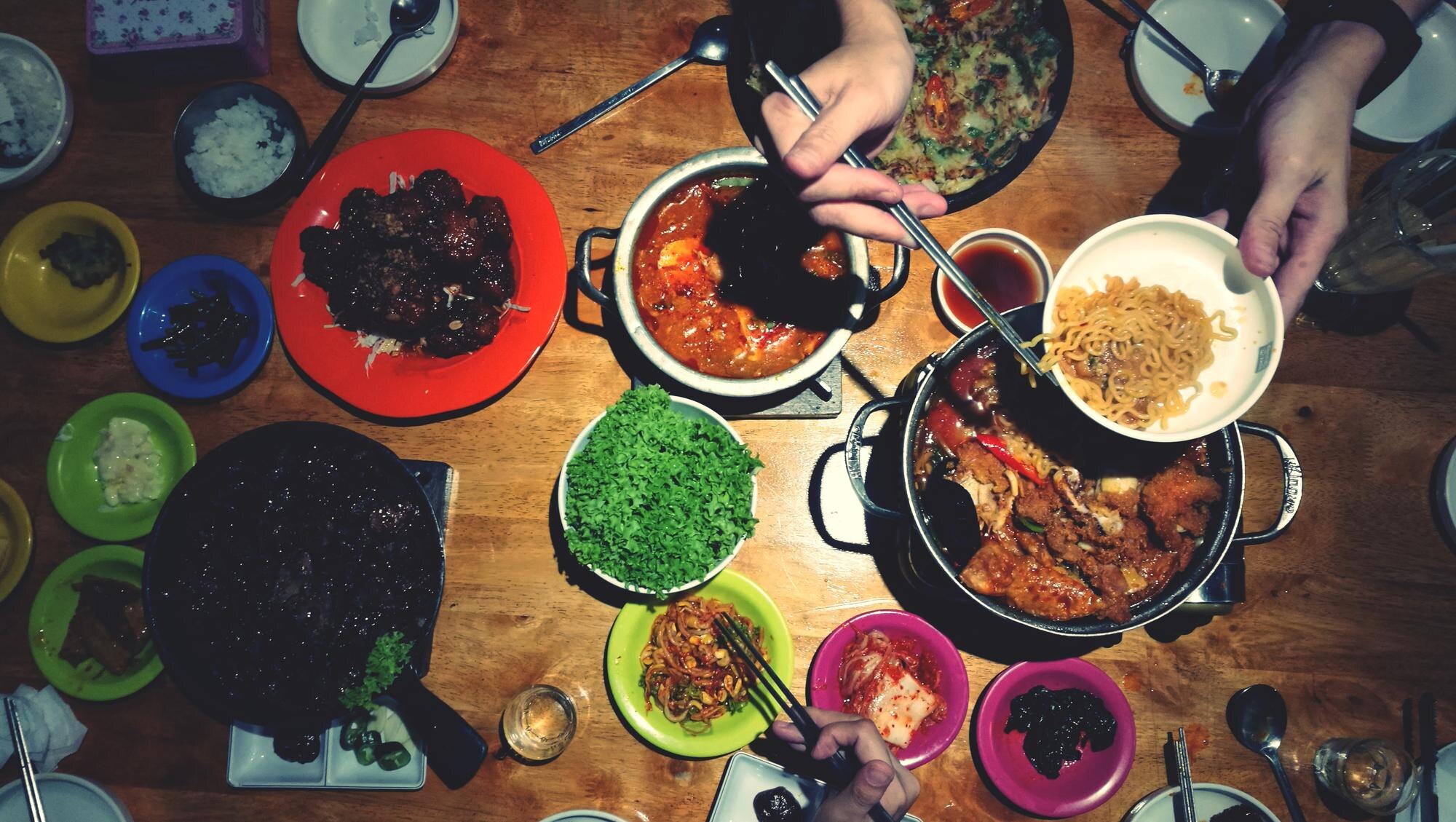
Korean dining is a delightful adventure, but it comes with its own set of rules. Grasping these traditions will make your meals more enjoyable and help you avoid cultural missteps in Korea.
Chopstick Dos and Don’ts
Chopsticks in Korea are more than utensils; they’re part of a cherished tradition. When dining, keep them parallel to the table when not in use. Placing them upright in a bowl? Big no-no! This resembles incense at funerals. It’s like shouting, “Oops!” in a silent room. Instead, lay them on the chopstick rest.
Here’s the key insight: don’t use them to point or gesture. It’s akin to waving a flag of disrespect. Most people think it’s just a utensil, but it’s a cultural symbol. Need a break from eating? Use a spoon. Koreans love their rice with it. If you’re new to chopsticks, practice is your best friend before hitting the local spots!
Pouring Drinks the Right Way
Ah, the art of pouring drinks! In Korea, it’s a shared experience, a moment of bonding. Never pour your own drink. Instead, pour for others, and they’ll return the favor. Hold the bottle with both hands for elders or higher-ups. It’s respect served in a glass.
Want to impress? Use your right hand to pour while supporting your right elbow with your left hand. When it’s your turn to drink, receive with both hands. This little ritual speaks volumes about your respect for the culture. Now that you’re a pouring pro, let’s dive into social norms beyond the dining table.
Social Norms to Remember
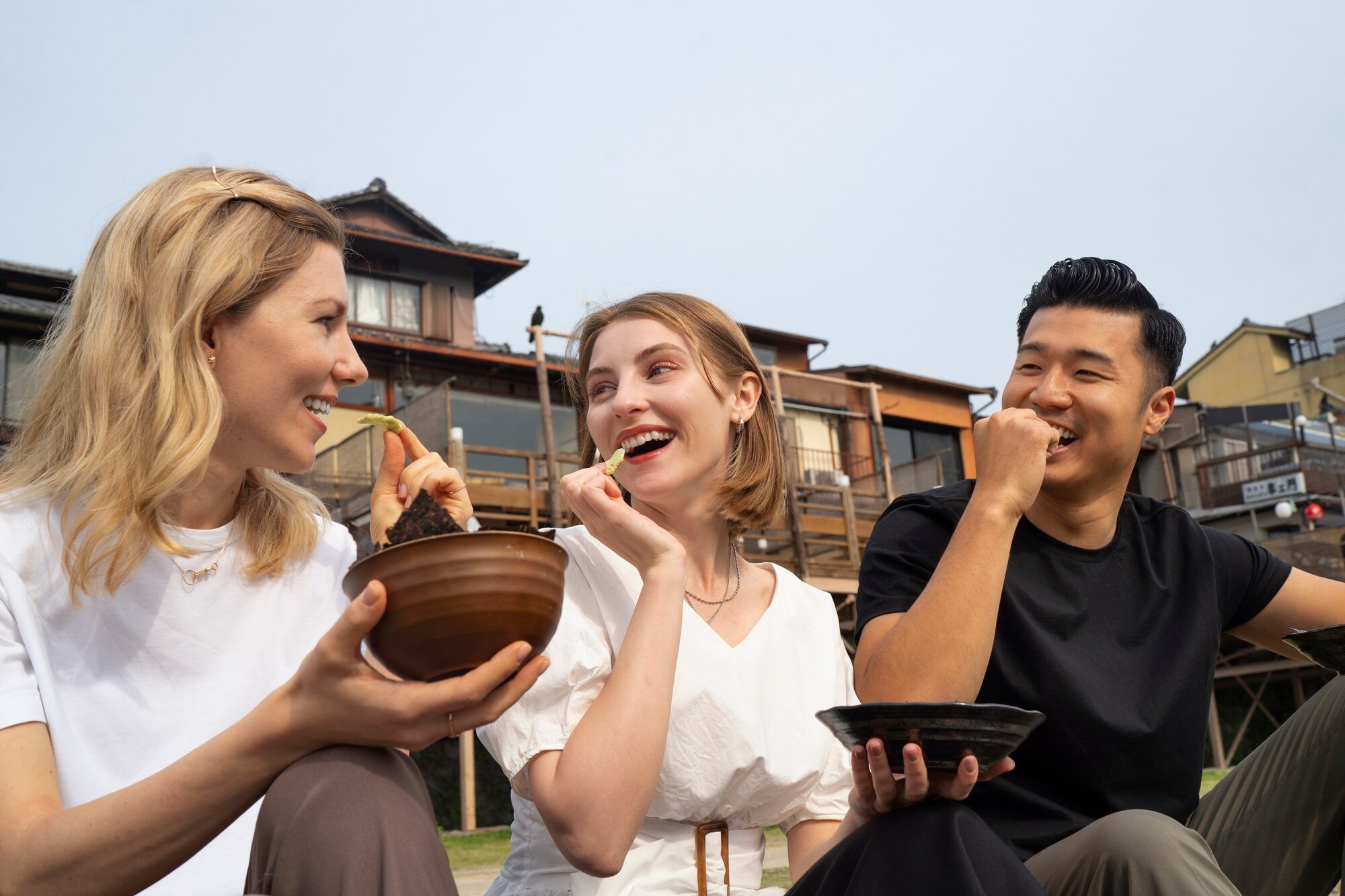
Beyond the table, Korean social customs are essential for a smooth journey. Understanding these will enhance your interactions and help you avoid faux pas in Korea.
Respecting Personal Space
Personal space in Korea is a bit different. While the subway might feel like a sardine can, personal interactions call for distance. A nod or slight bow is your go-to greeting. Hugging? Save it for close friends.
Here’s a pattern break: avoid direct eye contact with elders during conversation. It’s a sign of respect, not shyness. Most people think eye contact is essential, but in Korea, it can be too bold. Remembering this simple rule can make your interactions much smoother.
Public Transportation Etiquette
Public transit in Korea is efficient and popular. But it comes with its own code. First, keep your voice down. The quieter, the better. Second, seats marked for the elderly, pregnant, or disabled are strictly for them. Sitting there casually is a big no-no.
Another tip: stand on the right side of escalators to let walkers pass on the left. And, when on the train, let others off before boarding. This ensures a smooth flow. With these tips, you’re all set to navigate Korean public transport like a local!
Language and Communication Tips
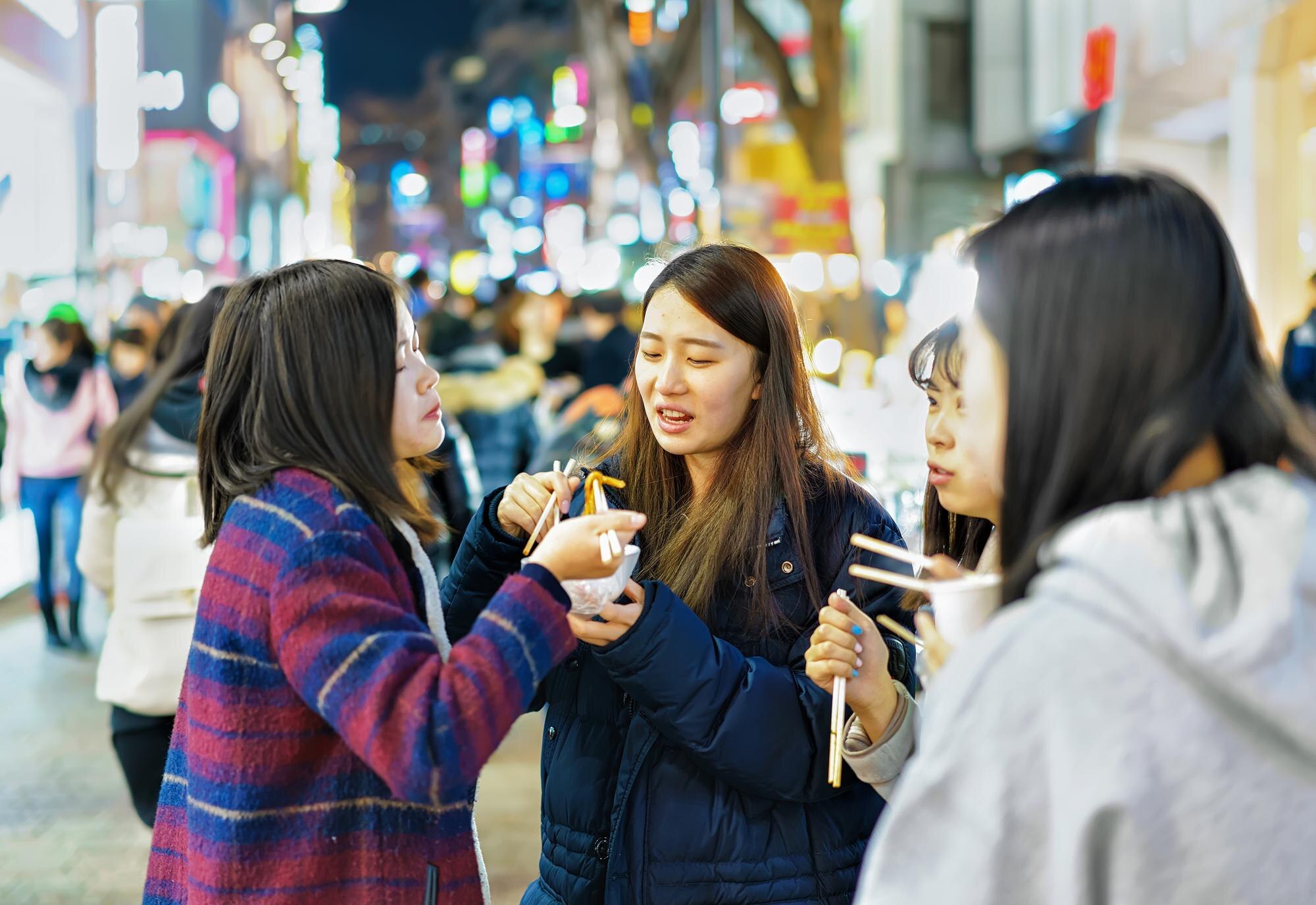
Language barriers can be tricky, but mastering a few basics can enrich your Korean experience. Let’s make communication as smooth as possible.
Basic Korean Phrases to Know
Learning a few phrases can be a lifesaver. Start with “Annyeonghaseyo” (Hello) and “Kamsahamnida” (Thank you). These words show respect and willingness to connect. Most folks appreciate even a small effort to speak the language.
Next, try “Juseyo” when ordering—it means “please give me.” It’s polite and shows your eagerness to engage. “Eolmaeyo?” asks the price, perfect for shopping. With these phrases, you’ll navigate markets and streets with ease. For more on handling cultural differences, this article offers additional insights.
Navigating Non-Verbal Cues 🥢🗣️🚋
In Korea, non-verbal cues speak volumes. A gentle nod or slight bow can convey respect and gratitude. Avoid pointing with your index finger; use an open palm instead. It’s more polite and less confrontational.
Here’s a fun fact: giving and receiving items with both hands shows politeness. It’s a small gesture, but it makes a big impact. Most people don’t realize the importance of these cues until they experience a faux pas. So, the longer you wait to master these, the more you risk awkward moments. Embrace these insights and blend in seamlessly.
Understanding and respecting these cultural nuances not only enhances your travel experience but also helps you connect on a deeper level with the vibrant Korean culture. Happy exploring!