30 seconds summary
- South Korean wedding traditions are rich with symbolism and beauty. A key feature is the Hanbok, a traditional outfit worn by the bride and groom. The Pyebaek ceremony involves the bride offering dates and chestnuts to the groom’s family, symbolizing fertility and good fortune.
- The hanbok tea ceremony is a deeply respectful exchange, where the couple serves tea to both families. The wedding procession is often accompanied by pungnyu, traditional music, creating a festive atmosphere.
- For a modern twist, couples can blend these customs with contemporary elements like floral arrangements or fusion cuisines, making the day both meaningful and memorable.
A destination wedding is an incredible way to infuse unique cultural elements into your special day, offering an unforgettable experience for you and your guests. One of the most captivating places to host such an event is South Korea, a country rich in history, tradition, and beauty. From vibrant cityscapes to serene countryside, South Korea offers a stunning backdrop for a wedding, and the country’s deep-rooted wedding traditions can add a special, meaningful touch to your celebration.
South Korean weddings have evolved over the years, blending both ancient customs and modern trends. Whether you’re drawn to the elegance of Korean customs, the symbolism behind each tradition, or simply the beauty of the cultural practices, integrating South Korean wedding elements into your ceremony will make for a truly distinctive and memorable event. In this article, we will explore the key cultural wedding traditions of South Korea and how to incorporate them into your destination wedding.
1. The Hanbok: A Beautiful Traditional Attire
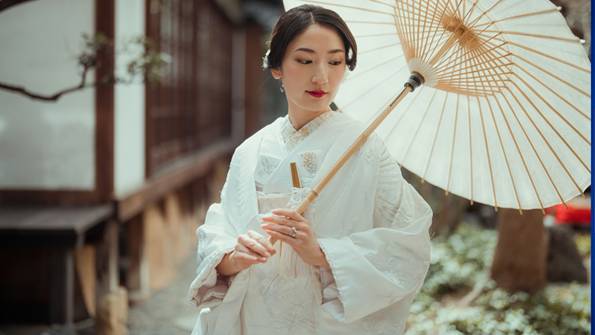
The most iconic element of a South Korean wedding is undoubtedly the hanbok, the traditional Korean wedding attire. The hanbok is characterized by vibrant colors, elegant lines, and symbolic meanings that represent the union of two individuals. Traditionally, the groom wears a long robe called the gyeongbok and a jeogori, while the bride wears a colorful, flowing gown with a jeogori jacket. The colors of the hanbok, especially red and blue, are considered auspicious and symbolize the harmony of yin and yang.
For your destination wedding, consider wearing a hanbok for your ceremony or during the reception as a stunning way to honor South Korean traditions. Not only does the hanbok symbolize respect for Korean culture, but it also brings a timeless, classic aesthetic to the wedding photos. Many brides and grooms opt to change into the hanbok after their Western-style ceremony to embrace the cultural significance of the attire while still celebrating their own modern tastes.
2. The Paebaek Ceremony: Symbolic Rituals and Blessings
The paebaek ceremony is one of the most traditional elements of a South Korean wedding. In ancient times, it was a highly formalized event that took place after the wedding ceremony itself. Today, it is a lighter, symbolic celebration that allows the couple to pay homage to their families while receiving blessings for their future.
During the paebaek, the bride and groom offer gifts such as fruit (particularly dates and chestnuts) to their parents, symbolizing fertility and the hope for a happy, prosperous life. The parents, in turn, offer words of wisdom, advice, and blessings to the newlywed couple. A key moment in the ceremony involves the bride and groom kneeling before their parents to show respect.
To incorporate the paebaek into your destination wedding, consider holding a smaller, private ceremony after your official vows. You can ask family members to partake in the event, making it intimate and personal. If your guests are unfamiliar with Korean customs, a short explanation of the ceremony beforehand can enhance their experience and appreciation for the tradition.
3. The Ritual of the Bowing (Jeol)
Another essential South Korean wedding tradition is the act of jeol, or bowing. Bowing is a symbol of respect and reverence in Korean culture, and it plays a significant role in the wedding ceremony. The bride and groom will typically bow to each other and to their families as a way of honoring their new relationship and the bond between their families.
For your wedding, you can incorporate this beautiful custom by having the couple bow to their parents or guests during key moments of the ceremony. This simple yet meaningful gesture can be a profound way to express your gratitude for your loved ones’ support as you embark on a new journey together.
4. Gift-Giving and the Exchange of Blessings
In South Korea, gift-giving is a significant part of the wedding, especially in the form of a “seongni” or “hanbok gift exchange.” Traditionally, the groom’s family will present a variety of gifts to the bride’s family, while the bride’s family will reciprocate with their own. Gifts can range from household items to money, and the exchange represents the joining of two families and a gesture of goodwill and respect.
For your destination wedding, consider incorporating this practice by exchanging gifts with your loved one’s family or asking your guests to bring traditional Korean gifts, such as beautifully crafted ceramics or high-quality teas, as wedding favors. This exchange can be a way to honor the legacy of your union and show your appreciation for the culture and traditions of South Korea.
5. Korean Wedding Feast (Honsu): A Feast for the Senses
South Korea is renowned for its vibrant food culture, and a Korean wedding feast is a wonderful way to celebrate this aspect of the nation’s traditions. Honsu, or the wedding banquet, is a lavish affair, with multiple courses of delicious Korean dishes served to guests. Some traditional dishes that are often featured in Korean wedding feasts include:
- Kimchi: Fermented vegetables, usually cabbage or radishes, that are a staple in Korean cuisine.
- Bulgogi: Grilled marinated beef, often served with rice and vegetables.
- Japchae: Stir-fried glass noodles with vegetables and meat.
- Baekban: A simple yet hearty meal consisting of rice, soup, and a variety of side dishes.
- Traditional Korean Sweets: Known as tteok, these rice cakes are an important part of wedding celebrations and come in various forms, including steamed rice cakes, filled cakes, and sweetened cakes.
Incorporating a Korean-style wedding feast into your destination wedding is a great way to immerse your guests in Korean culture. You could either have a traditional Korean meal served as part of the reception or introduce a few signature dishes to your Western-style banquet. Don’t forget to feature tteok as a dessert option!
6. Korean Wedding Decor: Elegant and Symbolic
When it comes to wedding decor, South Korea emphasizes both beauty and symbolism. Traditional Korean weddings often feature an abundance of bamboo, flowers, and red and blue elements. Bamboo represents strength and longevity, while flowers, especially chrysanthemums, symbolize purity and eternal love. The use of red and blue signifies balance, as these colors are deeply embedded in Korean folklore, representing yin and yang.
For a destination wedding in South Korea or incorporating South Korean elements, you can use these symbols to decorate the venue. A simple yet elegant arrangement of bamboo stalks, chrysanthemums, and symbolic flowers can be woven into the floral centerpieces, aisle decor, and even your bouquet. You can also incorporate traditional Korean paper lanterns (known as cheongcho) to add a whimsical and ethereal touch to your wedding venue.
7. The Wedding Chukka: A Moment of Quiet Reflection
The chukka ceremony, though not always a part of modern South Korean weddings, is a quiet moment that used to take place during the wedding. It is a chance for the bride and groom to reflect on the significance of their commitment to each other and to their families. During this time, the couple may sit in silence or exchange vows in private.
Incorporating a moment of reflection or a quiet exchange of vows can be a touching addition to your destination wedding. After the excitement of the ceremony, consider having a moment of peacefulness where you and your partner can reaffirm your love and commitment to one another. This can be done either privately or with the presence of close family members.
8. Traditional Korean Wedding Music: A Melodic Touch
Korean wedding ceremonies often feature traditional music played on instruments such as the gayageum (a zither-like string instrument), haegeum (a two-stringed bowed instrument), and janggu (a traditional drum). The sounds of these instruments help create a serene and intimate atmosphere, setting the tone for the wedding ceremony and celebration.
For your destination wedding, you can hire a Korean music ensemble or opt for recorded versions of traditional Korean wedding music. The delicate melodies will add a romantic and cultural layer to your ceremony, enhancing the authenticity of the experience. This music can be played during the processional, post-ceremony moments, or during the reception.
9. The Use of Wedding Symbols: Lovebirds and Peonies
In traditional South Korean weddings, several symbols carry special significance. The lovebird (a pair of birds that often appear together) symbolizes a harmonious and loving marriage, while the peony is the flower of prosperity, good fortune, and a prosperous marriage. These symbols are often incorporated into invitations, decorations, and other aspects of the wedding.
You can use these symbols to inspire your wedding stationery, floral arrangements, and even your wedding cake design. For example, incorporating a pair of lovebirds in your wedding invitations or cake topper can symbolize the unity between you and your partner. Likewise, using peonies in your floral arrangements will infuse your wedding decor with meaning and beauty.
Conclusion
South Korean wedding traditions offer a wealth of rich customs and beautiful practices that can add cultural depth and emotional significance to your destination wedding. Whether you choose to wear a hanbok, incorporate a paebaek ceremony, or delight in a traditional honsu feast, these customs will make your wedding day feel truly special and unique.
By blending these elements with your own personal style and preferences, you can create a wedding experience that not only honors South Korean heritage but also creates lasting memories for you, your partner, and your guests. With a little planning and a lot of love, your destination wedding in South Korea will be an unforgettable celebration that beautifully merges cultures, traditions, and love.