30 seconds summary
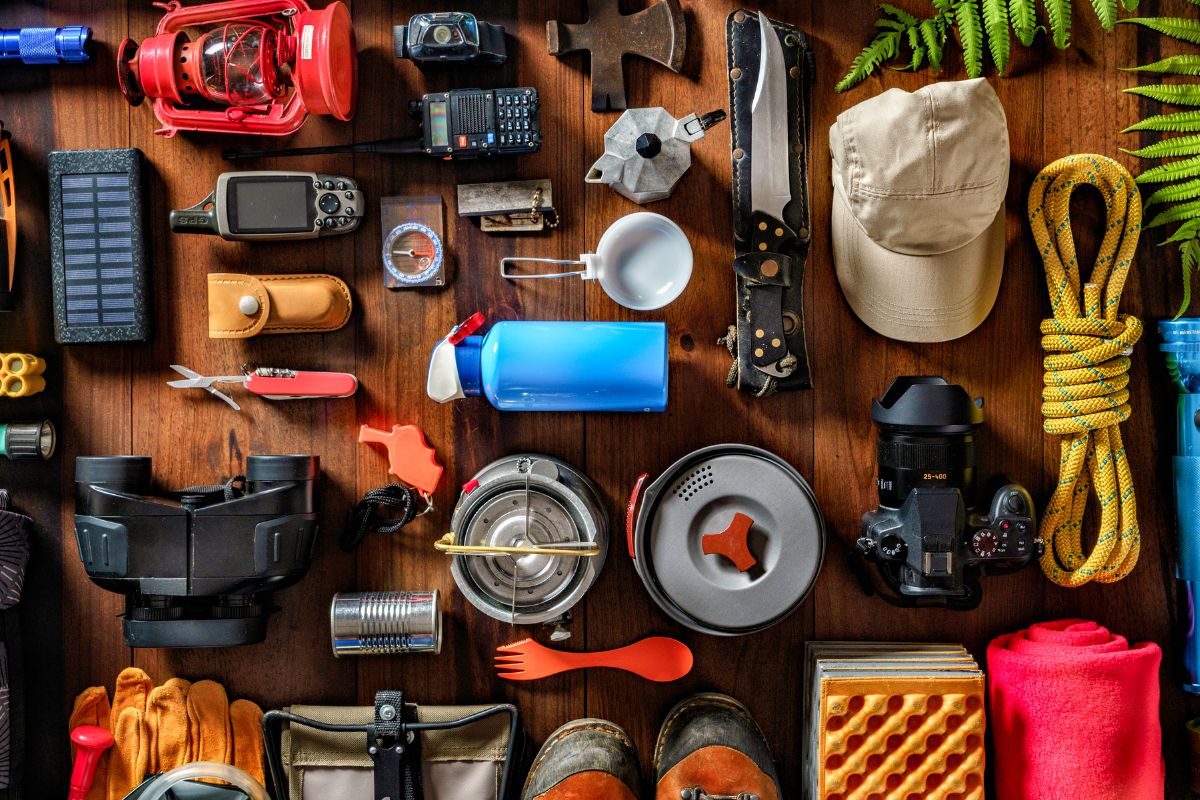
● When hiking or camping in Korean mountains, focus on safety and weather readiness. Wear sturdy hiking boots, bring a waterproof jacket, and pack extra clothing layers.
● Carry enough water and high-energy snacks. Navigation tools like a map or GPS, along with a charged power bank, are essential.
● A first aid kit and headlamp are important for emergencies or low-light conditions. Since weather can change quickly, pack insulation or warm gear. Finally, always follow Leave No Trace principles and carry your trash back out.
Packing for a hiking or camping trip in the Korean mountains is not just about stuffing a backpack with random outdoor gear. Korea’s mountainous terrain is beautiful but also highly variable, with steep granite ridges, dense forest trails, sudden weather shifts, and highly developed yet sometimes remote trail systems. Whether you are heading to Seoraksan, Jirisan, Bukhansan, or one of the many lesser-known provincial parks, what you carry on your back will directly shape your safety, comfort, and overall experience.
A well-planned pack balances three things: survival essentials, comfort items, and practical convenience. Many first-time hikers in Korea underestimate how quickly weather and terrain can change, especially in higher elevations or during seasonal transitions. Even a short day hike can become uncomfortable or risky if you are underprepared. On the other hand, overpacking can slow you down and unnecessarily drain your energy. The goal is thoughtful minimalism, bringing what you truly need and nothing that becomes dead weight.
Understanding the Korean Mountain Environment
Before discussing specific packing essentials, it helps to understand the environment you are preparing for. Korean mountains are generally not as high as those in other ranges, but they are steep, rocky, and surprisingly demanding. Trails often involve continuous ascent followed by long descents that can strain knees and ankles. Many paths are paved with stone steps, especially in popular national parks, while others are rugged dirt or granite slabs.
Weather is another major factor. Korea has four distinct seasons, each with unique challenges:
In spring, the mountains are beautiful with blooming azaleas and cherry blossoms, but sudden cold snaps and strong winds are common. Summer brings intense humidity, heavy rainfall, and monsoon conditions that can turn trails slippery and dangerous. Autumn is the most popular hiking season, offering crisp air and colorful foliage, but temperatures can drop quickly in the evening. Winter hiking, meanwhile, requires serious preparation due to snow, ice, and freezing winds, especially in higher elevations.
This variability means your packing strategy must always include layers, adaptability, and emergency readiness.
The Foundation: Choosing the Right Bag
Everything starts with the bag itself. A proper hiking backpack is non-negotiable for mountain trekking. However, there is also an interesting modern addition that many travelers bring when combining urban travel with hiking: a laptop trolley bag.
A laptop trolley bag is not traditionally associated with hiking, but in the context of traveling in Korea, it can be surprisingly practical during the transition phase of your trip. Many hikers arrive in Seoul or Busan, stay in hotels or guesthouses, and then travel to mountain regions. A laptop trolley bag lets you securely carry electronics, documents, and urban essentials while navigating airports, trains, and city streets, then switch to a dedicated hiking backpack for the mountain portion.
The key idea is separation of roles. The trolley bag handles urban mobility and tech safety, while the hiking backpack handles terrain mobility and physical endurance. Trying to use one bag for both roles often leads to inefficiency. For example, wheels are useless on rocky trails, and hiking packs are inconvenient for airport transit or business travel.
A smart traveler may pack a lightweight hiking backpack inside or alongside a laptop trolley bag, then switch systems once they reach the mountain base area. This hybrid approach is especially useful for international travelers who combine work, digital nomad life, or study with outdoor exploration in Korea.
Clothing: Layering for Rapid Changes
Clothing is the most important component of your survival system in your pack. In Korean mountains, layering is essential because temperature changes can be sudden and dramatic, especially between shaded forests and exposed ridges.
The base layer should be moisture-wicking. Cotton is a poor choice because it retains sweat and cools the body quickly, increasing the risk of hypothermia in windy conditions. Synthetic or merino wool materials are far better. Even in summer, sweat management matters because humidity in Korea can be extreme.
The mid-layer is for insulation. A lightweight fleece or thin insulated jacket works well. This layer allows you to adjust warmth without overloading your pack.
The outer layer must protect against wind and rain. A waterproof yet breathable jacket is essential, especially during monsoon season or unexpected mountain showers. In Korea, rain can arrive suddenly and heavily, and trails can become slippery within minutes.
Pants should be flexible and durable. Many experienced hikers in Korea prefer quick-dry hiking pants that allow movement on steep stairs and rocky terrain. Jeans should be avoided entirely due to weight and lack of flexibility.
Even in summer, carrying a light jacket is important because summit temperatures can be significantly cooler than base areas.
Footwear: Your Most Critical Equipment
If there is one item that should never be compromised, it is footwear. Korean mountains are full of stone steps, uneven granite surfaces, and long descents that place enormous pressure on your feet.
Proper hiking boots or trail shoes with good grip are essential. Slip resistance is particularly important because many trails become slick after rain or morning dew. Ankle support is also valuable for longer hikes or rugged terrain.
Socks matter more than most beginners realize. Thick, moisture-wicking hiking socks help prevent blisters and improve comfort. Carrying an extra pair is highly recommended, especially for longer hikes or multi-day camping trips.
In winter conditions, insulated waterproof boots may be necessary, along with microspikes for icy sections, especially in northern or high-altitude parks like Seoraksan.
Hydration and Food: Fuel for Mountain Energy
Korean mountains often have rest stops or small shelters on popular trails, but you should never rely on them completely. Carrying your own water is essential.
A hydration bottle or hydration bladder system is ideal. Depending on the length of your hike, at least 1–2 liters of water is recommended for day hikes, and more for longer routes in summer heat.
Electrolyte powders or tablets are highly useful in humid weather, where sweating is intense. Many hikers in Korea also carry simple snacks like energy bars, nuts, dried fruit, or rice-based snacks such as kimbap. Kimbap is especially popular in Korea because it is compact, filling, and culturally familiar for trail eating.
For camping trips, lightweight cooking gear may be added, but in many Korean national parks, open fires are restricted, so always check regulations in advance.
Navigation and Safety Essentials
Although many Korean hiking trails are well-marked and maintained, you should never rely solely on signage. Phone GPS works well in most areas, but battery life and signal strength can vary by location and weather conditions.
A fully charged power bank is essential. Cold temperatures can drain batteries quickly, especially in winter.
A basic first aid kit is another must-have. It should include bandages, antiseptic wipes, blister treatment, pain relief tablets, and any personal medication.
A small flashlight or headlamp is extremely useful, even for day hikes. Weather delays or slow descents can cause hikers to finish later than expected.
A whistle and emergency blanket are lightweight but potentially life-saving additions, especially for solo hikers.
Camping Essentials in Korean Mountains
Camping in Korea is increasingly popular, but it is also regulated in many national parks. Designated camping zones are common, and wild camping may be restricted depending on the area.
A lightweight tent that is wind-resistant is important. Korean mountain weather can shift quickly, and ridgelines can be exposed.
A sleeping bag rated for expected nighttime temperatures is essential, even in summer at higher altitudes where nights can be unexpectedly cold.
A compact sleeping mat improves insulation from the ground and significantly increases comfort.
Cooking gear should be minimal and efficient. Portable stoves are often used, but again, fire regulations must be respected.
Trash bags are not optional; they are mandatory in responsible outdoor travel. Korean national parks emphasize “leave no trace” principles, and hikers are expected to carry all waste back down.
Personal Care and Hygiene
Even in rugged environments, hygiene matters. Wet wipes, hand sanitizer, and tissue paper are simple but very useful. Toilets are available at some trailheads and shelters, but not always on remote routes.
Sunscreen is necessary even in cooler weather because UV exposure increases at higher altitudes. Sunglasses and a hat also help protect against glare and sun exposure.
Insect repellent is useful in summer, especially in forested or humid areas.
Clothing and Urban Transition Gear
This is where the laptop trolley bag becomes surprisingly relevant again. Many hikers traveling in Korea are not purely outdoor adventurers; they are often tourists, students, or remote workers moving between cities and nature.
A laptop trolley bag allows you to safely carry electronics such as a laptop, camera equipment, chargers, and documents while staying in urban environments before and after your hike. Korea’s transportation system subways, KTX trains, and intercity buses is extremely efficient, but not always comfortable for large hiking backpacks combined with electronics.
A practical strategy is to use the trolley bag as your “base camp” storage system in cities. You can store non-essential hiking items in it while carrying only the hiking backpack into the mountains. This reduces weight strain and protects valuable electronics from exposure to the elements.
It also helps maintain organization. For example, clean city clothes, business items, and electronics remain neatly stored, while the hiking pack carries only rugged outdoor gear.
For travelers combining work and outdoor exploration, this dual-system approach is extremely effective in Korea, where modern urban infrastructure and natural landscapes are often experienced in the same trip.
Mental Preparation and Practical Awareness
Packing is not just physical; it is also mental preparation. Korean mountains are generally safe, but they require respect. Trail etiquette is important—hikers often move in orderly fashion, greet each other politely, and maintain awareness of shared space.
Understanding your limits is also essential. Many accidents occur not due to lack of gear but due to overconfidence, especially on steep descents.
Weather awareness is critical. Checking forecasts before departure is necessary, but also being ready to turn back if conditions worsen is part of responsible hiking culture.
Conclusion
Packing for a hiking or camping trip in Korean mountains is about balance, adaptability, and intelligent layering of systems. You are not just carrying items; you are building a mobile survival and comfort system tailored to one of East Asia’s most dynamic hiking environments.
From clothing layers and hydration systems to safety tools and camping gear, every item has a purpose. And in modern travel contexts, even unconventional items like a laptop trolley bag play an important role in bridging the gap between urban mobility and mountain exploration.
The best-packed bag is not the fullest one; it is the one that allows you to move freely, respond to changing conditions, and enjoy the mountains without distraction. On Korea’s beautiful and challenging peaks, that balance transforms a simple hike into a meaningful experience.